
Cat Sickness | Cat with Stomach Ailment, What's the Best Position for a Cat When It's Uncomfortable? 11 Signs of Cat Illness That Shouldn't Be Ignored
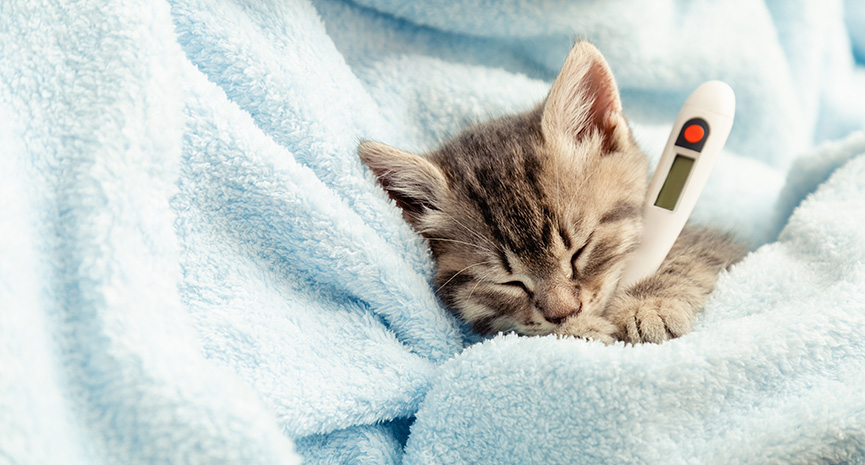
Cats are masters at hiding their illnesses, and by the time they show obvious discomfort, the condition is often already quite serious. As a cat owner, in addition to observing obvious symptoms such as abdominal pain, it's also important to learn to recognize when your cat is uncomfortable. Early detection of these warning signs can effectively prevent the condition from worsening to the point of requiring hospitalization or surgery. Below, we break down 11 common feline illnesses and their causes.
| 1. Vomiting |
|
cat vomitingThis is a common health problem that may be caused by the following reasons:
|
| 2. Cat stomach aches |
|
Cat diarrhea is one of the most common problems cat owners encounter. Healthy cat stool should be formed and of moderate consistency. Common causes:
|
| 3. Uncomfortable postures and behaviors in cats |
|
When a cat is in pain, it will exhibit specific "uncomfortable postures," the most common of which are:
|
| 4. Abnormal changes in appetite and water intake |
|
A cat's psychological and physiological problems can affect its food and water intake. If these changes persist, take your cat to the vet as soon as possible. Reasons for increased appetite:
Cats generally don't drink much water. If they suddenly increase their water intake, it might be due to the following issues:
|
Recommended cat health check
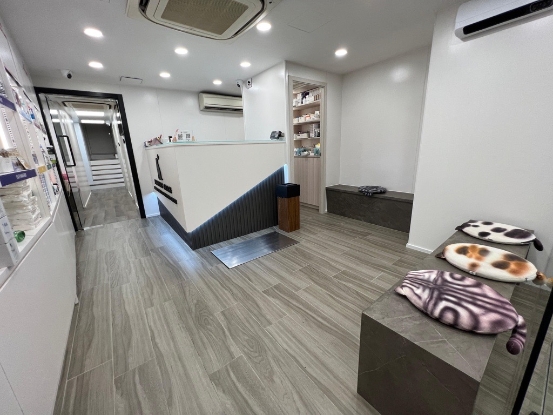
Suitable for cats 6 months or older
Key Project: Rapid Detection of Early-Stage Kidney Disease in SDMA
Other tests: Veterinary palpation, complete blood count, 17 biochemical indicators, electrolyte test, urine test.
| 5. Sudden weight gain or loss |
|
Changes in a cat's weight can be caused by improper diet, metabolic problems, endocrine disorders (such as hyperthyroidism or diabetes), kidney disease, or cancer. Persistent changes should prompt a veterinarian's attention as soon as possible. |
| 6. Respiratory problems |
|
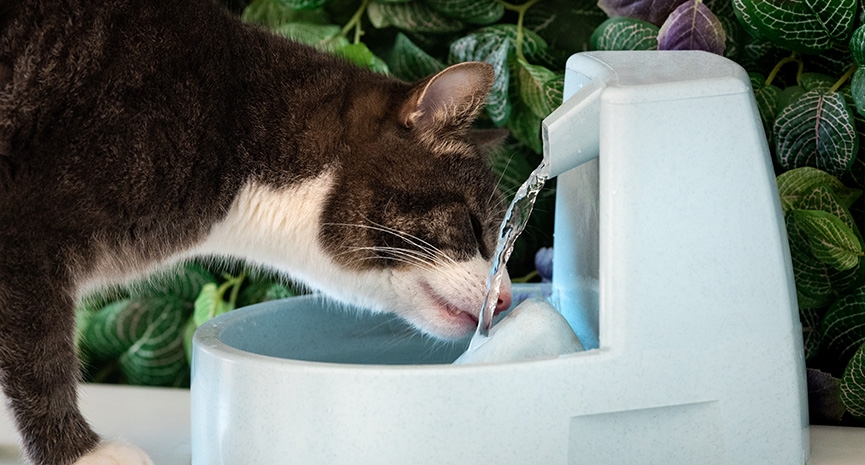
Observe your cat for coughing, sneezing, or rapid breathing. Common causes include...Cat cold(Upper respiratory tract infection)feline bronchitisOr asthma. Common respiratory problems in cats include:
|
Recommended cat health check

Suitable for cats of all ages and weights
Key projects: Respiratory disease testing (Chlamydia, Feline Mycoplasma, Feline Herpesvirus 1, Feline Calcivirus, Bordetella)
Other tests: Veterinary palpation, complete blood count, 24 biochemical indicators.
| 7. Hair loss or itching |
| If a cat frequently licks a certain area, causing hair loss or redness, it could be due to seasonal shedding, allergies, or parasites (such as fleas).skin disease(Such as tinea corporis), malnutrition, or endocrine problems. |
| 8. Oral abnormalities (bad breath, drooling, or oral bleeding) |
| Strong bad breath, swollen and red gums, or drooling usually indicate a serious condition.Cat Tooth StoneAccumulation, if left untreated, will evolve into...Feline periodontitisOr mouth ulcers may cause the master to refuse to eat due to pain. |
| 9. Increased eye or nasal discharge |
| Increased eye and nasal discharge can be caused by conjunctivitis, corneal ulcers, herpes virus, or other eye diseases, and requires prompt medical attention. |
| 10. Lethargy |
|
A normally lively cat becoming lethargic and losing interest in treats and toys is often the earliest sign of many illnesses, such as fever and infection. |
| 11. Limping or difficulty jumping |
| Arthritis, fractures, muscle injuries, or neurological problems can affect a cat's ability to move around normally, and veterinary care must be sought as soon as possible. |
Cat Illness - Frequently Asked Questions (FAQ)
A: While a 24-hour fast was previously recommended, modern veterinary medicine favors small, frequent meals and easily digestible prescription food. If the cat's diarrhea is severe, the primary task is to rehydrate to prevent dehydration. If vomiting and diarrhea occur simultaneously, do not administer medication yourself; seek immediate veterinary attention.
A: When a cat is sleeping, its muscles are relaxed, and it will react naturally when woken up. However, a cat in an "uncomfortable position" usually has stiff muscles, may breathe more rapidly, and may respond poorly or become agitated when called by its owner.
A: Weight loss and increased water intake. Many owners mistakenly believe that their cats are "getting thinner as they get older" or that "drinking more water is a sign of good health," but this is often an early sign of chronic kidney disease or diabetes. It is recommended to weigh your cat regularly each month.
A: If your cat hasn't eaten or drunk anything for more than 24 hours, or if it's lethargic and has a fever (its ears and paws feel hot), it's recommended not to wait more than a day. Prolonged fasting in cats can easily lead to fatal fatty liver disease.
A: Yes. Besides behavioral issues, inappropriate urination is often seen in cats with cystitis or urinary tract stones, because they associate the pain of urinating in the litter box with the discomfort and end up urinating on the sofa or bed instead.
More related


![Picture of [Feline Bronchitis] Are persistent coughing and wheezing warning signs? Deconstructing the causes, symptoms, and treatments of feline bronchitis.](https://www.furmomo.com/images/thumbs/0003471_feline-bronchitis-are-persistent-coughing-and-wheezing-warning-signs-deconstructing-the-causes-sympt_500.webp)

![Picture of [Cat Health Checkup Costs in Hong Kong] Kitten/Senior Cat Health Checkup Guide: Items, Prices, and Clinic Comparison](https://www.furmomo.com/images/thumbs/0001219_-_500.webp)