
What to do if your dog catches a cold? 4 potential health risks you won't know without a checkup!
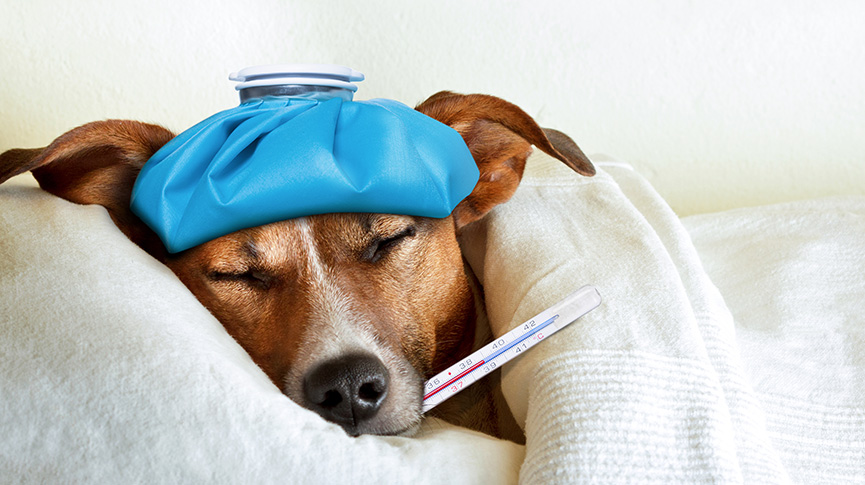
When dogs sneeze, have runny noses, and cough, is it just a simple case of "catching a cold"? Actually, dogs can catch colds, and these colds can sometimes reflect deeper health problems. This article will break down the causes, symptoms, and potential risks of canine colds, and explain how to detect problems early through pet checkups to protect your furry friend's health.
Key Points
Causes and symptoms of colds in dogs
Canine upper respiratory tract infection (UHRI) is mostly caused by viruses or bacteria. Common pathogens include...Canine parainfluenza virus,canine adenovirusandCanine infectious bronchitis (Kennel Cough)The main reasons dogs get infected include:
- Contact with other sick dogs (such as in dog parks and pet hotels)
- The environment is damp and cold with poor ventilation.
- Prolonged stress or weakened immunity
Common symptoms of a dog's cold include:
- sneezing, runny nose
- Cough (dry cough or cough with phlegm)
- Loss of appetite and lethargy
- Mild fever, increased eye discharge
Will a dog's cold get better on its own? What potential health problems might it indicate?
Mild colds in dogs may resolve on their own within a few days.If cold symptoms persist for more than 5 days, cough worsens, or breathing becomes difficultA dog's cold may not be as simple as a common cold. Based on Hong Kong veterinary clinical experience, a dog's cold may reflect the following potential health problems:
- Tracheal collapse
Commonly seen in small dogs (such as Pomeranians or Poodles), the cough sounds like a "goose quack," and the symptoms worsen when a dog has a cold. - Heart disease
Dogs with heart disease are prone to problems such as coughing, wheezing, and decreased exercise endurance, and are more likely to develop heart failure. - Decreased immunity
Dogs with chronic diseases such as diabetes, kidney disease, and tumors recover more slowly from a cold and are more prone to complications. - Periodontal disease or nasal infection
It can cause cold-like symptoms, such as runny nose, sneezing, and bad breath.

Long-term cold symptoms and necessary tests for dogs
If your dog has a persistent cold that doesn't improve, you should take it for a veterinary checkup as soon as possible. Regular checkups can detect chronic conditions early, especially for older dogs (over 7 years old) or those with a history of illness. These dogs should have a checkup annually that includes the following:
| health issues | Recommended items to check |
| Tracheal collapse | Chest X-ray, tracheoscopic |
| heart disease | Chest X-ray, tracheoscopic |
| Immunity issues | Blood tests (complete blood count, organ function tests), hormone tests |
| Nasal/Periodontal Disease | Oral examination, dental X-ray, nasal endoscopy |
Dog health checkup plan
Suitable for dogs 1 year or older
Key items: Complete blood cell count, 17 biochemical indices
Other tests: veterinary palpation, electrolyte test, urine test.
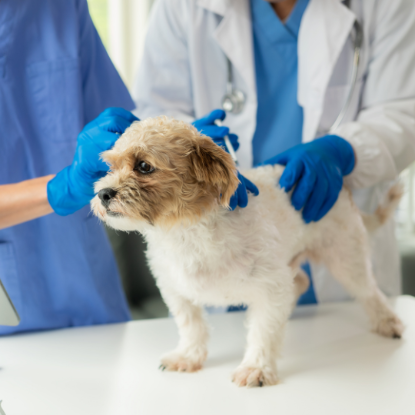
Suitable for dogs 1 year or older
Key Project: X-ray Imaging Diagnosis
Other tests: Veterinary palpation, complete blood count, 17 biochemical indicators

Suitable for dogs 6 months or older
Key Projects: Pro BNP rapid test for heart disease, X-ray imaging diagnosis
Other items: Veterinary palpation

Suitable for older dogs
Rapid test for early-stage SDMA kidney disease | T4 total thyroxine
Ultrasound examination (kidney/bladder/liver) - choose one
General practitioner consultation | Comprehensive blood test | Urine test
The difference between a dog's cold and a flu
"Dog cold" and "dog flu" are terms often used interchangeably in everyday life. From a veterinary perspective, however, they describe different levels of health problems:
| Recommended items to check |
|
definition
|
|
Common causes
|
|
symptom
|
|
Is it contagious?
|
|
Do I need to see a doctor?
|
What to do if your dog has a cold? Tips for preventing and relieving symptoms.
Home care tips:
- Keep the room warm and dry, and avoid letting cold drafts blow directly on the dog.
- Encourage your dog to drink plenty of water to maintain adequate hydration.
- Provide easily digestible and nutritious foods
- Reduce contact with other dogs when going out.
When should you see a veterinarian?
- Cough lasting more than 5 days
- Symptoms include difficulty breathing, loss of appetite, and fever.
- Older dogs or dogs with a history of chronic illness
How to prevent dogs from catching a cold?
- Regular vaccinations (such as canine parainfluenza and canine adenovirus vaccines) are necessary.
- Reduce contact with sick dogs
- Regular physical examinations to monitor overall health
While colds are common in dogs, they can sometimes mask more serious health problems. Regular pet checkups can detect potential diseases in the respiratory system, heart, and immune system early, giving your furry friend the best opportunity for treatment. Remember, prevention is better than cure; health starts with checkups!
More related
→ Learn more Dog check-up
→ Learn more Cat health check

![Picture of [More Than Just Guide Dogs] Labrador Retrievers: Temperament, Lifespan, Health Issues, and Care Tips – All in One Article!](https://www.furmomo.com/images/thumbs/0003247_more-than-just-guide-dogs-labrador-retrievers-temperament-lifespan-health-issues-and-care-tips-all-i_500.webp)