
[The Hidden Dangers of Pet Obesity] A Comprehensive Guide to the Causes, Health Risks, and Weight Loss Recommendations for Dogs and Cats
![Picture of [The Hidden Dangers of Pet Obesity] A Comprehensive Guide to the Causes, Health Risks, and Weight Loss Recommendations for Dogs and Cats](https://www.furmomo.com/images/thumbs/0003702_the-hidden-dangers-of-pet-obesity-a-comprehensive-guide-to-the-causes-health-risks-and-weight-loss-r.jpeg)
Many pet owners think "chubby pets are cute," but did you know that according to the American Pet Obesity Prevention Association (APOP),More than half of domestic cats and dogs are overweight or obese.Obesity not only affects mobility but can also lead to various chronic diseases and shorten a pet's lifespan.
內容重點
How can you tell if a cat or dog is obese?
Veterinarians commonly use the Body Condition Score (BCS) to assess whether pets are obese. This standard, developed by the World Small Animal Veterinary Association (WSAVA), is similar to the human BMI (Body Mass Index) and is used to assess the body fat percentage and health status of dogs and cats. The BCS combines visual observation and tactile assessment; a higher score indicates more body fat.
Obesity assessment indicators:
✅ Ideal posture - ribs can be easily felt, waist is noticeably tightened.
⚠️ Overweight - Ribs difficult to touch, waistline indistinct
❌ Obesity - sagging abdomen, slow movement, rapid breathing
Common causes of obesity in pets
Obesity is caused not only by overeating, but also by diet, age, and lifestyle.
Improper feeding habits of the owner
- Overfeeding snacks or human food
- Overfeeding or free feeding
- Lack of space for exercise and activities
Pet breed and age factors
- Some breeds naturally have slower metabolisms and are more prone to obesity.
| Dog breeds prone to obesity | Cat breeds prone to obesity |
|
|
Other high-risk factors:
- Hormonal changes after sterilization
- Aging leads to a decline in metabolism

Hidden Health Crises of Obese Pets
Many owners believe that a slightly chubby pet is simply "cute," but in reality, obesity can cause long-term and serious harm to your furry friend's health. These health risks are often not noticeable in the early stages but can rapidly worsen in the later stages, even affecting their lifespan. Here are five common health risks:
- Arthritis and mobility disorders
Excessive weight can put long-term stress on joints, leading to wear and tear, inflammation, and even premature osteoarthritis. Dogs may experience lameness and difficulty climbing stairs, while cats may reduce jumping and activity.
- Cardiopulmonary diseases
Fat accumulation can compress the heart and lungs, increasing the workload on the heart, leading to shortness of breath, decreased endurance, and in severe cases, even heart failure.
- diabetes
In particular, obesity in cats can reduce insulin sensitivity, increasing the risk of developing type 2 diabetes. Diabetes requires long-term insulin injections and dietary control, which is a burden for both owners and pets.
- Behavioral changes and low mood
Obesity can reduce activity levels, making pets lazy, irritable, and even prone to anxiety or depression, affecting their relationship with their owners.
- Fatty liver and metabolic syndrome
Excess fat can accumulate in the liver, leading to fatty liver disease, which can cause liver failure in severe cases. This is especially common in cats, particularly when their food intake is suddenly reduced.
Recommended health check items
To detect potential health problems caused by obesity early, it is recommended that owners take their pets for a comprehensive health check at least once a year. The following are common checkup items:
- Weight and body fat analysis: to understand whether you are overweight and the distribution of body fat.
- Blood glucose and insulin testing: assessing risk of diabetes
- Liver and kidney function tests: to check for fatty liver or metabolic abnormalities.
- X-ray or ultrasound examination: to observe joint health and visceral fat accumulation.

Suitable for dogs 1 year or older
Key items: Complete blood cell count, 17 biochemical indices
Other tests: veterinary palpation, electrolyte test, urine test.
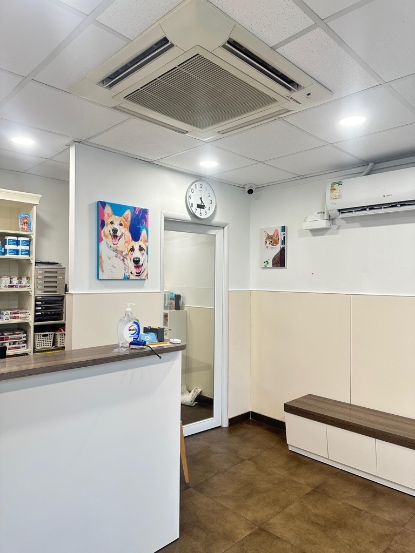
Suitable for cats 1 year or older
Key items: Complete blood cell count, 17 biochemical indices
Other tests: veterinary palpation, electrolyte test, urine test.
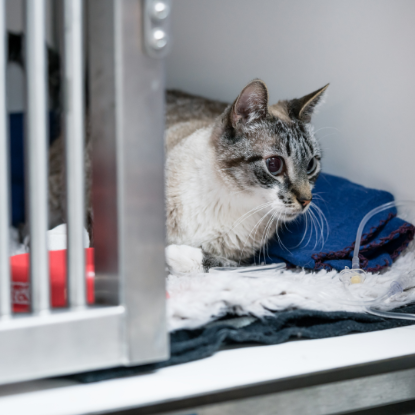
Suitable for cats 1 year or older
Key item: Abdominal ultrasound
Other tests: Veterinary palpation, complete blood count, 17 biochemical indicators.
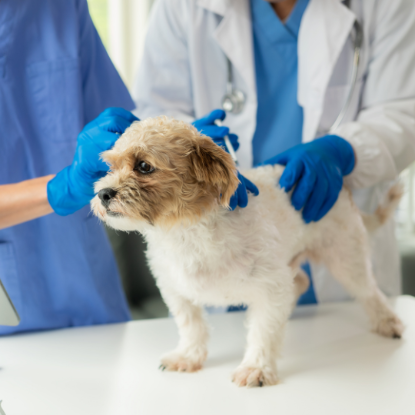
Suitable for dogs 1 year or older
Key Project: X-ray Imaging Diagnosis
Other tests: Veterinary palpation, complete blood count, 17 biochemical indicators

Suitable for dogs of all ages
Key Project: X-ray Imaging Diagnosis
Other tests: Veterinary palpation, complete blood count, 17 biochemical indices, electrolyte test.

Suitable for cats of all ages
Key Project: X-ray Imaging Diagnosis
Other tests: Veterinary palpation, complete blood count, 17 biochemical indices, electrolyte test.
Tip: If your pet is already overweight or obese, it is recommended to have a check-up every six months to adjust their diet and exercise plan.
Pet weight loss advice: Owners need to make changes first!
Losing weight is not just about eating less; it's also about changing your overall lifestyle.
|
Adjustment of feeding habits
|
|
Increase exercise
|
|
Recording and Tracking
|
The owner's responsibility is above all else.
Pets cannot choose their diet or lifestyle; their health is in the hands of their owners. Don't let "cute chubbyness" become the price of their health. Starting today, establish healthy lifestyle habits for your furry friend so they can live longer and happier lives!
More related