
How long can a dog with cancer live? 5 common canine cancer symptoms | A complete guide to diagnosis and treatment
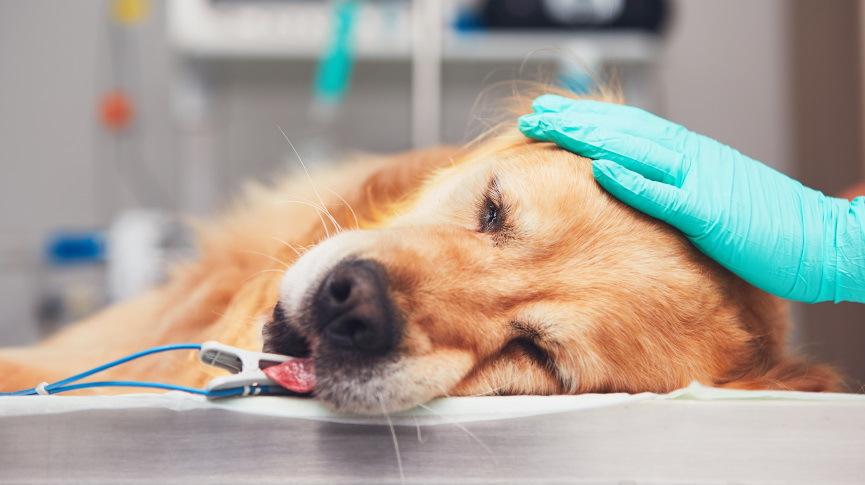
A dog's cancer diagnosis is a devastating blow to its owner. The owner's biggest concern is:How long can a dog with cancer live? What symptoms should you be alert to? Is treatment very expensive?A compilation5Common types of canine cancer,includeSymptoms, Diagnosis Process, Treatment Options and Cost ReferenceThis will help you make more informed decisions when facing health crises in your pet.
Key Points
What is canine cancer? A list of common types.
Canine cancer is a malignant tumor formed by abnormal cell proliferation. It can invade surrounding tissues and metastasize to other organs, having the greatest impact on the health and lifespan of older dogs.Cancer has become one of the most common diseases in older dogs.Purebred dogs and older dogsThe relative risk is higher. The following describes five common types, their symptoms, and life expectancy.
5 common canine cancers (symptoms, lifespan, and key points)
| Lymphoma |
|
| Breast tumor (Mammary Tumor) |
|
| Mast cell tumor |
|
| Osteosarcoma |
|
| Angiosarcoma |
|
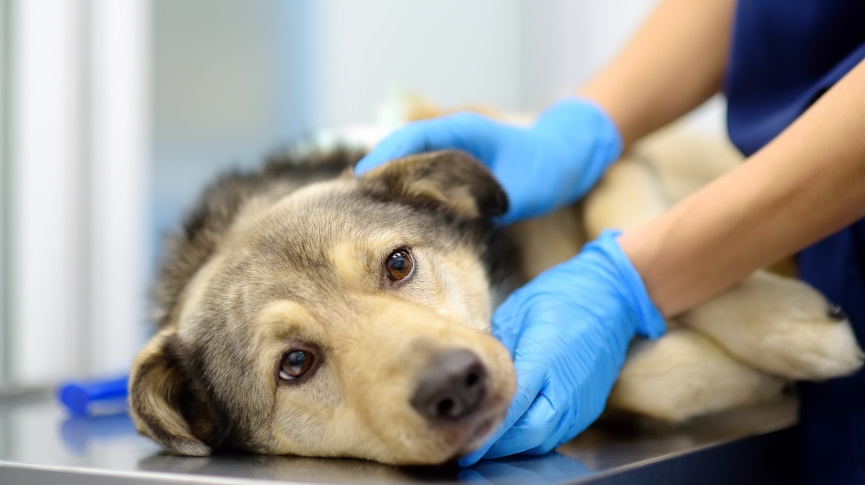
Canine Cancer Diagnosis Process and Examination Items
According to an Italian study, *BioMed Central Veterinary Research*, 800 to 900 out of every 100,000 dogs will develop cancer, with older dogs and purebreds having a higher risk. If owners suspect their pet is showing signs of cancer, they can use the following methods for diagnosis:
- physical examination- Palpate lymph nodes, breast tissue, and skin nodules
- Imaging examinationX-ray, ultrasound, CT, or MRI are used to determine the location and metastasis of tumors.
- Cytological examination- Confirmation by fine-needle aspiration (FNA) or biopsy.
- Blood test- Assess organ function and whether anemia is present.
Dog X-ray Examination Plan

Suitable for dogs 1 year or older
Key Project: X-ray Imaging Diagnosis
Other tests: Veterinary palpation, complete blood count, 17 biochemical indicators

Suitable for dogs 6 months or older
Key Projects: Pro BNP rapid test for heart disease, X-ray imaging diagnosis
Other items: Veterinary palpation
Dog ultrasound check-up plan

Suitable for older dogs
Rapid test for early-stage SDMA kidney disease | T4 total thyroxine
Ultrasound examination (kidney/bladder/liver) - choose one
General practitioner consultation | Comprehensive blood test | Urine test
Dog blood test program

Suitable for dogs of all ages and weights
Key Projects: Pro BNP rapid test for heart disease, X-ray imaging diagnosis
Other tests: Veterinary palpation, complete blood count, 24 biochemical indicators.
Treatment methods, costs, and side effects for canine cancer
Common cancer treatments in Hong Kong for dogs include surgery, chemotherapy, radiotherapy, and targeted therapy; costs vary greatly depending on tumor type, location, weight, and treatment duration. The following provides reference prices for four main treatments; the final price will be quoted by the hospital.
- Surgical resectionGenerally requiredHK$20,000 - $50,000The complexity and length of hospital stay will affect the cost.
- ChemotherapyCharged per visit; typically approximately amount missing per visit.HK$2,000 - $5,000Multiple treatments are required.
- Radiation therapyThe entire treatment course is approximatelyHK$20,000 - $40,000
- Targeted drugsMostly charged on a monthly basis, commonlyHK$8,000 - $20,000moon
Side effects of cancer treatment in dogs can be managed through a high-nutrition diet, regular blood tests, and antiemetic medications, along with immune supplements to alleviate discomfort.The detailed methods are as follows: provide easily digestible food, monitor white blood cell count, and use medications as directed by the veterinarian.
Canine Cancer FAQ
Early detection and surgical removal can lead to long-term control of some cancers, but malignant tumors still carry the risk of recurrence.
In the final stages, the focus is on palliative care and pain management, which may include analgesics, intravenous fluids, and psychological support.
Early spaying/neutering (for female dogs' mammary glands), maintaining a healthy weight and balanced diet, reducing exposure to carcinogenic environments, and regular health checkups (every 6–12 months for older dogs).
Chemotherapy doses for dogs are usually lower than those for humans, and most dogs can tolerate them; if discomfort occurs, the veterinarian will adjust the medication and dosage, and side effects can be managed.
CT scans typically require general anesthesia to ensure image quality; FNA (fiber optic acupuncture) may require sedation or short-acting anesthesia depending on the visual area and the dog's cooperation. Risks are assessed by a veterinarian.
More related
→ Learn more Dog check-up
→ Learn more Cat health check

![Picture of [More Than Just Guide Dogs] Labrador Retrievers: Temperament, Lifespan, Health Issues, and Care Tips – All in One Article!](https://www.furmomo.com/images/thumbs/0003247_more-than-just-guide-dogs-labrador-retrievers-temperament-lifespan-health-issues-and-care-tips-all-i_500.webp)