
How long is the incubation period for feline panleukopenia? Is the mortality rate 90%? Learn about early symptoms and prevention methods
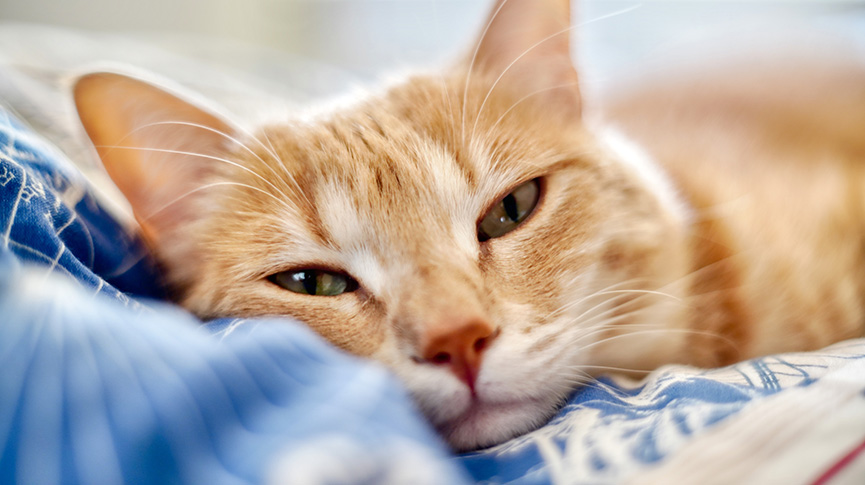
Feline panleukopenia is one of the deadliest infectious diseases in cats, with a mortality rate as high as 90%! Did you know that? How long is the incubation period for feline panleukopenia? How to distinguish the initial symptoms? Is it contagious to humans? Will it heal on its own? This article answers this question and teaches you prevention methods to protect your pet's health.
Key Points
Causes of feline panleukopenia and its incubation period; initial symptoms and high-risk groups
Feline panleukopenia, commonly known as feline distemper, is primarily caused by the feline panleukopenia virus (FPV).Transmitted through contact with the bodily fluids or excrement of an infected cat.Feline panleukopenia virus is a relatively stable virus that can survive in the environment for several months, making it easy for it to spread in places with poor sanitation.
Young, older, and immunocompromised cats, as well as unvaccinated cats, are all high-risk groups for feline panleukopenia. The incubation period for feline panleukopenia is generally 5-14 days, but can be longer or shorter. After the incubation period, the feline panleukopenia virus begins to multiply, and initial symptoms begin to appear. If treatment is not timely, the condition will gradually worsen.
Initial symptoms:
- fever- The cat feels cold or its body temperature rises.
- Loss of appetite- The cat starts refusing to eat or drink.
Mid-term symptoms:
- Vomiting and diarrhea- Leads to dehydration and physical exhaustion
- Eye symptoms- Eye discharge, leading to redness or conjunctivitis
Late-stage symptoms:
- Weakness and emaciationThe cat became very weak and lost a significant amount of weight.
- Difficulty breathing and shortness of breath
- Nervous system damage- Problems such as seizures and difficulty moving may occur.
Will feline panleukopenia heal on its own? Is it contagious to humans?
Feline panleukopenia cannot heal on its own and requires veterinary treatment and follow-up. This disease primarily spreads among cats, but in rare cases, it can also infect humans. Therefore, after contact with a cat suffering from feline panleukopenia, it is important to maintain good personal hygiene.
Feline panleukopenia is a serious and fatal disease. The mortality rate depends on the cat's age, health status, viral load, and treatment, with a particularly high mortality rate in high-risk groups.If a sick cat does not receive proper treatment, the mortality rate can reach 50%-90%!If cats receive appropriate treatment, the mortality rate can be significantly reduced.
Feline panleukopenia diagnosis methods and prevention tips
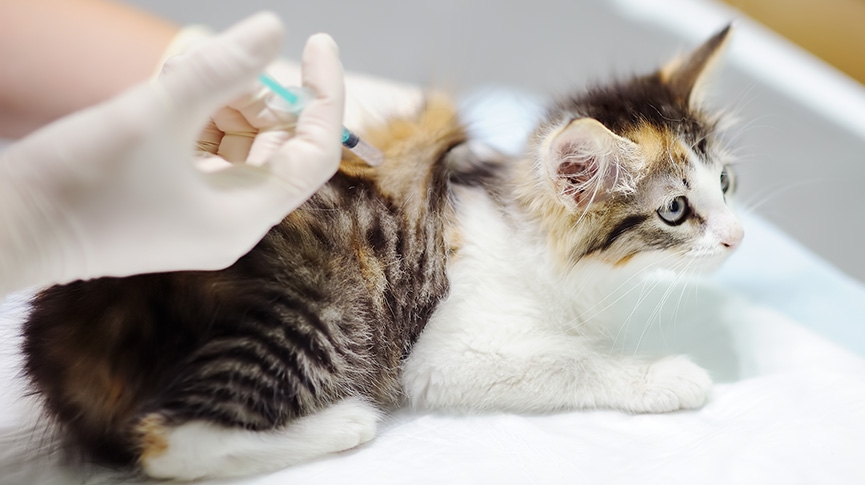
The best way to prevent feline panleukopenia is through vaccination, which strengthens a cat's immunity early on and makes them more resistant to the feline panleukopenia virus. In addition, regular veterinary checkups help detect potential health problems early. If a cat exhibits symptoms such as vomiting, diarrhea, and fever, it should be taken to a veterinarian immediately to determine the cause.
Cat health check-up program

Suitable for cats 6 months or older
Key items: Complete blood cell count, 17 biochemical indices
Other tests: veterinary palpation, electrolyte test, urine test.

Suitable for cats 1 year or older
Key items: Complete blood cell count, 17 biochemical indices
Other tests: veterinary palpation, electrolyte test, urine test.
Cat vaccination program

Suitable for cats of all ages and weights
Provide protection for the cats, shielding them from the disturbances of feline viral rhinotracheitis, feline calicivirus, and feline panleukopenia.

Suitable for cats of all ages and weights
Provide protection for cats to shield them from feline viral rhinotracheitis, feline calicivirus, and feline panleukopenia.

Suitable for cats of all ages and weights
To prevent cats from suffering from feline viral rhinotracheitis, feline calicivirus, and feline panleukopenia.
in addition,Avoid contact with infected cats,Keep the environment clean and hygienicborn,Avoid taking your cat to crowded places.All of these measures can reduce the risk of cats being exposed to FPV. Owners should also prepare nutritious cat food for their cats to strengthen their immune system and improve their resistance.
Feline panleukopenia treatment methods | Survival rate and key care points
Supportive therapy:
- Intravenous fluid therapy replenishes the water and electrolytes lost by the cat due to vomiting and diarrhea.
- Special diets or nutritional supplements can help cats recover their strength.
Antiviral drugs:
- Veterinarians will use antiviral medications to reduce viral replication and infection in the cat's body.
Antibiotic treatment:
- Used to prevent or treat secondary bacterial infections, feline panleukopenia weakens a cat's immune system, increasing the risk of infection.
Antiemetics:
- Used to help control vomiting in cats, and helps maintain hydration and nutrient intake.
Other supportive treatments:
- Analgesics can relieve discomfort and pain in cats; anti-inflammatory drugs can reduce inflammation and discomfort.
Feline panleukopenia diagnosis and prevention FAQ
A: It usually takes 3–9 days. During this period, the cat may not show obvious symptoms, but it is already contagious.
A: If you experience loss of appetite, lethargy, mild vomiting, or diarrhea, you should seek medical attention as soon as possible.
A: It won't infect humans, but it can infect other cats, so they need to be isolated.
A: Very rare, the mortality rate without treatment is as high as 90%, you must seek medical attention immediately.
A: Get vaccinated regularly, avoid contact with stray cats, and keep the environment clean.
More related