Common Causes: Why Is My Dog Vomiting?
Understanding why your dog is vomiting is the first step to providing the right care. While many instances are mild, they can sometimes signal a more serious issue. The causes of dog vomiting are varied, ranging from simple dietary mistakes to underlying health problems that require professional attention.
Dietary & Digestive Causes
- Dietary Indiscretion: Eating spoiled food, garbage, or non-food items.
- Sudden Diet Change: Switching your dog's food too quickly without a gradual transition.
- Food Intolerance/Allergies: A reaction to certain ingredients in their diet.
- Eating Too Fast: Gulping down meals can trigger regurgitation or vomiting.
Environmental Factors
- Toxic Substances: Ingesting poisons, chemicals, or toxic human foods like chocolate or grapes.
- Foreign Bodies: Swallowing objects like toys, socks, or bones that cause an obstruction.
- Motion Sickness: Vomiting associated with car travel.
Underlying Medical Issues
- Infections: Viral (e.g., Parvovirus) or bacterial gastrointestinal infections.
- Systemic Illness: Conditions like pancreatitis, kidney disease, liver failure, or gastritis.
- Parasites: Intestinal worms such as roundworms can cause irritation and vomiting.
Decoding the Mess: What Do Different Types of Vomit Mean?
The colour and consistency of your dog's vomit can offer valuable clues about its cause. While not a substitute for a professional diagnosis, observing these details can help you provide crucial information to your vet. Here’s a guide to what different types of vomit might mean:
Yellow or Green Vomit: Often indicates bile, meaning the stomach is empty. The American Kennel Club (AKC) notes that yellow vomit, especially in the morning, may be a sign of Bilious Vomiting Syndrome (BVS). While often manageable, a vet check is advised to rule out other issues.
White, Foamy Vomit: According to the AKC, this is typically a mix of saliva and gastric fluid. It suggests stomach irritation or reflux, often occurring when the stomach is empty.
Clear/Watery Vomit: This is usually stomach fluid and can happen when a dog is drooling or has drunk water on an already upset stomach.
Brown Vomit: This may simply be regurgitated food. However, if it resembles coffee grounds, it could indicate digested blood from the stomach, which requires veterinary attention.
Red/Bloody Vomit: The presence of fresh, red blood is an emergency. It points to active bleeding and requires immediate veterinary care.
When Is Dog Vomiting an Emergency?
While a single vomiting episode is often minor, some situations are genuine emergencies. Knowing the red flags is crucial for your dog's safety. According to veterinary, you should seek immediate veterinary attention if you observe any of the following signs:
Persistent or Severe Vomiting: Lasting more than 12-24 hours, or if your dog is unable to keep water down, leading to dehydration.
Signs of Pain or Bloat: A hard, swollen abdomen, restlessness, or non-productive retching (trying to vomit but can't).
Blood or Toxin Suspicion: Vomit contains fresh blood, looks like coffee grounds, or you suspect poisoning. The SPCA Hong Kong warns this warrants immediate care.
Other Alarming Signs: Extreme weakness, collapse, signs of dehydration (tacky gums), or black, tarry stools.
High-Risk Individuals: Any vomiting in very young puppies, senior dogs, or those with pre-existing conditions like diabetes.
What Can I Do at Home for Mild Vomiting?
If your dog has had a single episode of vomiting but is otherwise bright and energetic, you may be able to manage the situation at home. This home care for mild vomiting is intended for healthy adult dogs. If your dog is a puppy, a senior, or has other health issues, or if symptoms persist, please consult a vet. Here is a step-by-step guide on what you can do for a dog with an upset stomach:
Step 1: Rest the Stomach (Brief Fasting) Withhold food for 12-24 hours. This allows your dog's gastrointestinal tract to rest and recover from irritation. Do not withhold water.
Step 2: Maintain Hydration Ensure fresh water is always available. To prevent more vomiting from drinking too quickly, offer small, frequent amounts of water or provide ice chips for your dog to lick.
Step 3: Reintroduce a Bland Diet After the fasting period, if no vomiting has occurred, introduce a small meal of a bland diet. This typically consists of boiled, plain, boneless and skinless chicken with plain white rice.
Step 4: Gradually Return to Normal Diet If your dog tolerates the bland diet well, continue for 1-2 days, then slowly transition back to their regular food over the next 2-3 days.
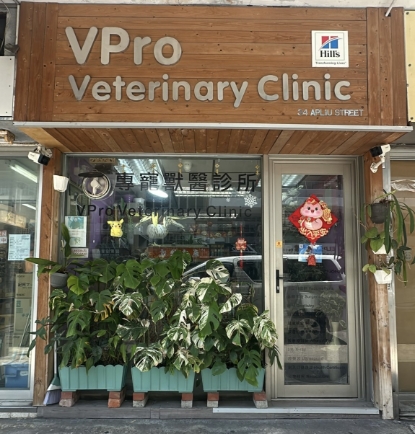
Furmomo Health: Professional Care When Your Dog Needs It Most
VPro New Dog Checkup Plan
Suitable for dogs of all ages
Key Items: CDV+CPV+Giardia test
Other Item: Veterinary Palpation
$1,280
Book Now
Veterinary medical assocation clinic - Cat and Dog Health Check Package
Key Items: Complete Blood Test, SDMA Early Kidney Failure Detection, Two X-rays (Lateral and Frontal Views), Doctor Consultation
$3,800
Book Now
Frequently Asked Questions about Dog Vomiting
What is the difference between vomiting and regurgitation?
Vomiting is an active process involving abdominal heaving, bringing up partially digested food from the stomach. Regurgitation is a passive, quiet process where undigested food comes back up from the oesophagus, often without warning. Distinguishing between them helps your vet with diagnosis.
Can I give my dog human anti-nausea medication?
No. Never give your dog human medication without explicit instructions from a veterinarian. Many human drugs are toxic to dogs and can worsen their condition. Always consult a professional for safe treatment options.
How can I help prevent my dog from vomiting?
Prevention focuses on good habits: avoid sudden diet changes, use slow-feeder bowls for fast eaters, secure garbage bins, and keep toxic substances and small, indigestible objects out of reach. Regular vet check-ups are also key to catching underlying issues early.




![Picture of [More Than Just Guide Dogs] Labrador Retrievers: Temperament, Lifespan, Health Issues, and Care Tips – All in One Article!](https://www.furmomo.com/images/thumbs/0003247_more-than-just-guide-dogs-labrador-retrievers-temperament-lifespan-health-issues-and-care-tips-all-i_500.webp)